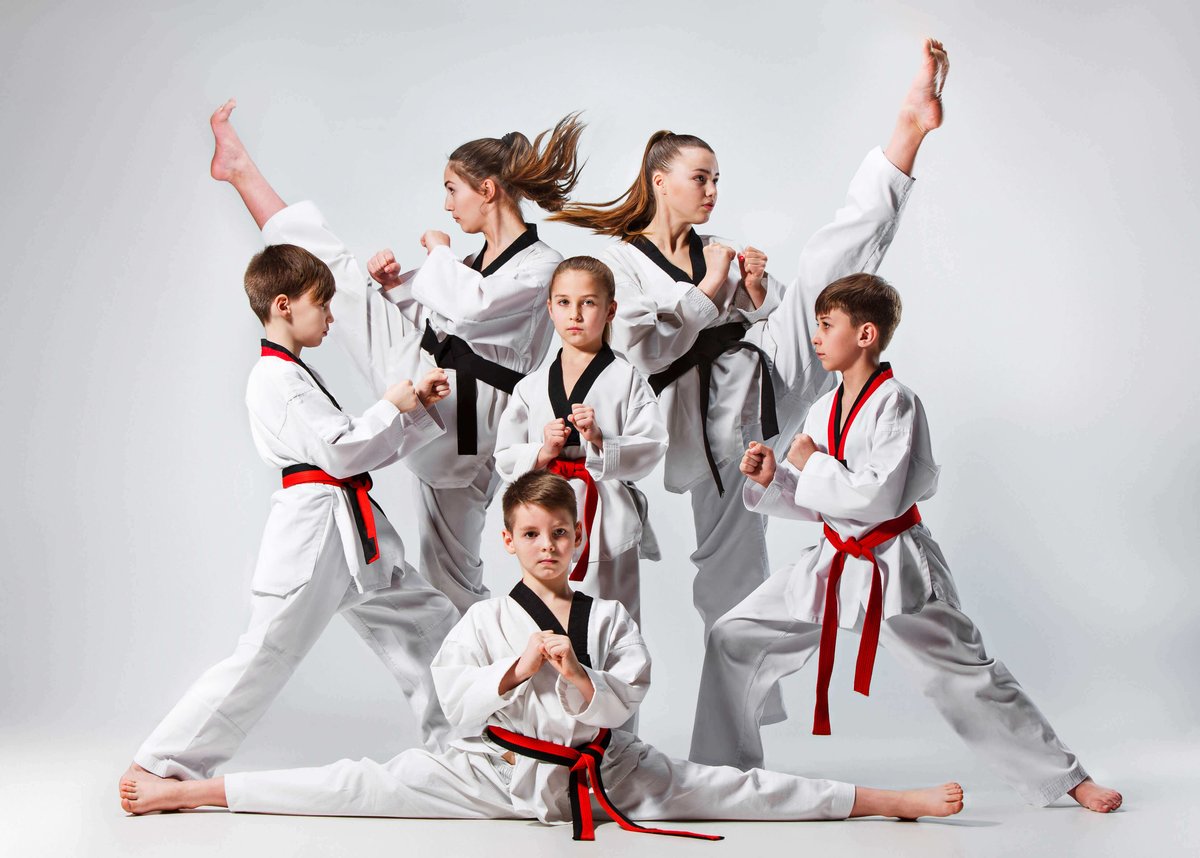
Stepping into the world of martial arts can feel like opening a door to an ancient, sprawling library. From explosive strikes to fluid grappling, philosophical forms to brutal self-defense, the sheer diversity of Martial Arts Styles & Techniques is as fascinating as it is overwhelming. Whether you're seeking a path to unparalleled physical fitness, the confidence of self-defense, or a deeper mental discipline, understanding the landscape is your first powerful move.
This guide isn't just a list; it's your compass through that library, helping you distinguish between the countless traditions and modern innovations, and ultimately, empowering you to find the style that resonates with your personal goals and spirit.
At a Glance: What You'll Discover
- The Four Pillars: Martial arts broadly categorize into Striking, Grappling, Hybrid, and Traditional systems.
- Benefits Beyond Combat: Expect improved fitness, self-defense skills, increased confidence, and mental fortitude.
- Choosing Your Path: Practical advice on how to select a style based on your goals and preferences.
- A World of Styles: Insights into dozens of unique martial arts, from ancient traditions to modern combat sports.
- Dispelling Myths: Separating fact from fiction about martial arts training.
More Than Just Fights: Why Explore Martial Arts?
For many, the initial draw to martial arts is often self-defense or the allure of high-octane combat. While these are certainly integral components, the benefits of martial arts participation extend far beyond the physical confrontation. Engaging in these disciplines offers a profound path to holistic development.
You'll find your overall fitness dramatically improves, with styles challenging you in areas like cardiovascular endurance, strength, flexibility, and coordination. Beyond the physical, martial arts are powerful conduits for mental growth. They cultivate discipline, focus, resilience, and a quiet confidence that permeates all aspects of life. Moreover, they can be an incredibly effective tool for stress reduction and weight management, providing a structured and engaging physical outlet. It's a journey of continuous learning, not just about techniques, but about yourself.
Deconstructing the Dojo: The Four Core Martial Arts Categories
While specific styles number in the hundreds, most martial arts can be neatly organized into four primary categories based on their fundamental approach to combat and philosophy. Understanding these broad classifications is crucial for narrowing down your search.
Striking Arts: The Power of Impact
This category focuses on delivering powerful, precise, and rapid strikes using various parts of the body. Practitioners develop exceptional hand speed, footwork, timing, and the ability to anticipate and react to an opponent's movements. The emphasis here is on distance management, offense, and evasive defense.
- Boxing: The "Sweet Science" is perhaps the purest striking art, focusing exclusively on punches, head movement, and intricate footwork. It develops exceptional hand-eye coordination, defensive reflexes, and incredible cardiovascular conditioning.
- Kickboxing: As the name suggests, this art combines the powerful hand techniques of Boxing with dynamic kicks. It creates a comprehensive stand-up fighting system, demanding both upper and lower body power. Styles like Dutch Kickboxing are particularly known for their aggressive, high-volume techniques.
- Muay Thai (Thai, "Art of Eight Limbs"): Thailand's national sport is a devastatingly effective striking art. Beyond punches and kicks, it uniquely incorporates elbow and knee strikes, making it a truly "eight-limbed" system. It's a common and highly valued element in modern MMA training due to its full-body approach to offense.
- Karate (Japanese, Okinawa): Originating from Okinawa, Karate combines powerful, linear strikes with strong stances and explosive movements. It emphasizes both physical technique and mental development, focusing on discipline, respect, and devastatingly effective punches, kicks, and blocks. Major styles include Goju-Ryu, Isshin-Ryu, Kyokushin (full-contact), Shito-Ryu, Shorin-Ryu, Shotokan, and Wado-Ryu.
- Taekwondo (Korean): Known globally for its spectacular, high-flying kicks, Taekwondo is an Olympic sport that develops incredible leg strength, flexibility, and agility. While hand techniques are present, the emphasis is heavily on dynamic kicking strategies and sparring.
- Savate (French Kickboxing): A French martial art known for its elegant yet powerful foot kicks and boxing techniques. It distinctly disallows knee strikes, setting it apart from other kickboxing variants.
- Dambe (African): A traditional boxing style from West Africa, primarily focusing on punches but also incorporating kicking techniques.
Grappling Arts: Control Through Leverage
Grappling arts emphasize controlling an opponent through holds, locks, takedowns, throws, and ground fighting. The goal is often to neutralize a threat without resorting to strikes, or to submit an opponent using leverage and technique rather than brute force. These arts are invaluable for close-quarters combat and for handling situations where striking isn't feasible or desired.
- Brazilian Jiu-Jitsu (BJJ): Renowned for its focus on ground fighting, BJJ teaches practitioners to control and submit opponents regardless of size or strength, using a sophisticated system of leverage, chokes, and joint locks. It's uniquely effective and has revolutionized self-defense and martial arts competitions.
- Judo (Japanese, "The Gentle Way"): An Olympic sport, Judo focuses on throws and takedowns. Practitioners learn to use an opponent's weight and momentum against them, employing off-balancing, sweeping, and reaping techniques to bring the fight to the ground, followed by ground control and submissions.
- Wrestling: A broad term encompassing many styles, wrestling focuses on takedowns, holds, and controlling an opponent's body. Styles like Bokh (Mongolian Wrestling), Pehlwani (Indian Wrestling), and Glima (Scandinavian Wrestling) demonstrate its global roots. Catch Wrestling, a historical grappling art, combines elements from various wrestling forms, Judo, and Jujutsu.
- Sambo (Russian): Developed in the Soviet Union, Sambo features two main types: Sport Sambo (focusing on throws, takedowns, and submissions) and Combat Sambo (incorporating strikes and weapons defense, making it a versatile system).
- Jujutsu (Japanese): An ancient Japanese martial art, Jujutsu (and its many sub-styles like Daito-Ryu Aikijujutsu and Aikijujitsu) emphasizes joint locks, throws, and holds. It aims to redirect or manipulate an attacker's force, making it highly effective for self-defense. Danzan Ryu is a prominent American hybrid form of Jujutsu.
- Luta Livre (Brazilian, "Free Fighting"): A Brazilian grappling martial art, distinct from BJJ in its no-gi tradition and focus on submissions.
Hybrid Systems: The Art of Adaptability
Hybrid systems are designed for real-world effectiveness, combining elements from multiple disciplines to create a comprehensive, adaptable fighting style. They prioritize practicality and often evolve to address changing combat scenarios.
- Mixed Martial Arts (MMA): The ultimate hybrid, MMA integrates striking, wrestling, and submission grappling into one comprehensive fighting system. It prepares practitioners for virtually any combat scenario, demanding proficiency across all ranges of engagement – standing, clinching, and on the ground.
- Krav Maga (Israeli): Developed for the Israeli military, Krav Maga focuses exclusively on practical self-defense against real-world threats. It teaches quick neutralization of dangers using instinctive movements, emphasizing aggression, simultaneous defense and offense, and targeting vulnerable points.
- Jeet Kune Do: Created by Bruce Lee, Jeet Kune Do is not a fixed style but a philosophy of "intercepting fist." It emphasizes directness, efficiency, and personal adaptation, drawing techniques from various martial arts and constantly evolving.
- Chun Kuk Do (Chuck Norris System): A hybrid system created by Chuck Norris, originally based on Tang Soo Do but incorporating elements from other martial arts.
- Kajukenbo (American): A hybrid system developed in Hawaii, combining Karate (KA), Judo (JU), Kenpo (KEN), and Boxing (BO) with Chinese Kung Fu, designed for effective street self-defense.
- Defendu (British): Developed by William Fairbairn and Eric Sykes for Allied troops in World War 2, this system focused on brutally effective close-quarters combat for survival.
- KAPAP (Israeli): An acronym for "Face-To-Face Combat," KAPAP is used by some of Israel’s elite military units, focusing on highly realistic and adaptable self-defense training.
Traditional Arts: Philosophy Meets Physicality
Traditional martial arts often encompass a broader philosophy alongside their physical training. They focus on comprehensive physical and mental development, often incorporating meditation, ethical codes, and historical context. The journey is as much about character building as it is about fighting prowess.
- Kung Fu (Chinese): A vast umbrella term encompassing hundreds of styles, Kung Fu literally means "achievement through effort." It develops flexibility, coordination, and body control, often incorporating animalistic movements, weapons training, conditioning exercises, and deep philosophical study. Famous examples include Shaolin Kung Fu, Hung Ga (combining 5 animal styles), Eagle Claw Kung Fu (gripping and joint locks), Praying Mantis Kung Fu (redirection and trapping), and Monkey Kung Fu (acrobatic and unorthodox). The rich lore of Chinese martial arts is often depicted in compelling narratives; you might Explore Demi-Gods and Semi-Devils for an imaginative dive into such legends.
- Aikido (Japanese): A graceful art focusing on redirecting an attacker's energy and momentum. It emphasizes fluid movements, throws, and joint locks, aiming to neutralize threats without unnecessary harm. It cultivates harmony and blending with an opponent.
- Hapkido (Korean): A versatile Korean martial art that combines powerful punches and kicks with dynamic throws, joint locks, and weapons training. It's known for its circular motion and comprehensive range of techniques.
- Bagua Zhang (Chinese, "Eight Trigram Palm"): One of the three best-known Wudang styles, Bagua Zhang is recognized for its unique "circle walking" practice, which builds internal energy and develops evasive footwork, powerful palm strikes, and throws.
- Capoeira (Brazilian): A mesmerizing Afro-Brazilian martial art that combines elements of dance, acrobatics, and music. Its fluid, acrobatic movements, kicks, sweeps, and headbutts are designed to evade and counter while maintaining a deceptive flow.
- Kalaripayattu (Ancient Indian): Considered one of the oldest martial arts in the world, Kalaripayattu from India includes strikes, kicks, grappling, pre-determined forms, weaponry, and healing methods. It is deeply rooted in ancient Indian culture and philosophy.
- Shoto Kan (Japanese): One of the most widely practiced styles of Karate, Shotokan is characterized by deep, strong stances and linear techniques, emphasizing powerful, precise strikes.
- Hwa Rang Do (Korean): A comprehensive Korean martial art that includes striking, grappling, throws, joint locks, weapons training, and traditional healing techniques, all underpinned by a strong philosophical foundation.
Beyond the Punch: Exploring Diverse Martial Arts Styles
The world of martial arts is incredibly rich, with styles evolving from specific needs, cultures, and philosophies. Here’s a closer look at a selection of styles that exemplify this diversity, showcasing unique techniques and approaches.
The Unarmed Strikers & Stand-Up Fighters
While Boxing, Kickboxing, Karate, and Taekwondo dominate, many other styles bring unique flair to stand-up combat:
- Muay Boran (Thai): The ancestral art from which modern Muay Thai evolved, encompassing a wider range of techniques, including headbutts and more intricate grappling.
- Lethwei (Myanmar/Burma): Often called "Burmese Bareknuckle Boxing," Lethwei is similar to Muay Thai but famously allows headbutts and requires fighters to be knocked down three times before a loss.
- Pradal Serey (Cambodian): Cambodia's traditional fighting style, also known for its powerful elbow strikes and being similar to Muay Thai.
- Angampora (Sri Lankan): An ancient Sri Lankan martial art focusing on unarmed combat, grappling, weapons, and pressure points.
The Ground Game Masters & Grapplers
Beyond BJJ and Judo, the grappling world is diverse:
- Catch Wrestling: A historic grappling art from the late 1800s, known for its focus on painful submissions and pinning techniques, combining wrestling, Judo, and Jujutsu elements.
- Pankration (Greek): An ancient Greek Olympic sport combining grappling, kicking, and boxing, often considered an early form of MMA.
- Coreeda (Australian Aboriginal): A traditional wrestling style from Australia.
- Dumog (Philippine): A Filipino wrestling art, often focusing on takedowns and controlling an opponent in close quarters.
Flow & Redirect: Manipulating Momentum
- Aikijujitsu (Japanese): A Jujutsu sub-genre focusing on blending with opponents, moving joint-locks, and esoteric principles, foundational to Aikido.
- Hapkido (Korean): As mentioned, it's a dynamic blend of strikes, kicks, throws, and joint locks, emphasizing circular motion.
- Shindo Jinen Ryu: A Karate style that uniquely blends elements of Karate, Aikido, and Jujutsu.
Holistic & Philosophical Journeys
Many arts extend beyond combat into spiritual and personal growth:
- Tai Chi (Taijiquan, Chinese): Often practiced for health and meditation, Tai Chi is also a powerful internal martial art focusing on slow, continuous movements to cultivate internal energy (Chi), leading to surprising explosive power and self-defense applications. Bagua Zhang is another renowned internal Chinese martial art.
- Shorinji Kempo (Japanese): Established in 1947, it combines personal growth, health, and self-defense, incorporating striking, grappling, and spiritual elements.
- Butthan (Bangladesh): A martial art focused on meditation, self-defense, and weapons, promoting holistic development.
- Budokon: A modern hybrid system combining martial arts training with Yoga, emphasizing strength, mobility, and mental focus.
Real-World Ready & Modern Combat
- Marine Corps Martial Arts Program (MCMAP): The official combat system of the U.S. Marine Corps, focusing on unarmed combat, knife, and bayonet techniques for military application.
- Krav Maga (Israeli): Its explicit focus on brutal efficiency and real-world scenarios makes it a top choice for practical self-defense.
- Bakom (Vacon, Peruvian): Combines Jujutsu with street fighting techniques, designed for survival in urban environments.
- Keysi (Keysi Fighting Method): A self-defense system designed for instinctive reactions in defense, featured in movies for its gritty realism.
Weapon Wizards: Mastering Tools
Many martial arts revolve around traditional weaponry, offering a different kind of discipline:
- Eskrima, Arnis & Kali (Philippine): These interchangeable terms refer to highly effective weapon-based martial arts, primarily focusing on stick and blade weapons (like the Yantok), but also incorporating empty-hand techniques derived from weapon movements.
- Kendo (Japanese): The "Way of the Sword," Kendo is a modern martial art and sport using bamboo swords (shinai) and protective armor, emphasizing precise strikes and disciplined movement.
- Iaido (Japanese): Focuses on the art of drawing a sword from its scabbard, cutting, and returning the sword, emphasizing mental presence and precision through solo forms (katas) without sparring.
- Jojutsu (Jodo, Japanese): Focuses on the short staff (Jo), developed to counter the sword.
- Bojutsu (Japanese): Centers on the long staff (Bo), teaching powerful strikes, blocks, and sweeps.
- Kobudo (Japanese/Okinawan): An umbrella term for weapon training using Okinawan farm tools adapted for self-defense, such as the bo staff, sai, tonfa, and nunchaku.
- HEMA (Historical European Martial Arts): A revival of historical martial arts from Europe (1300s-1800s), primarily focusing on sword-based combat (longsword, rapier, saber) through study of historical texts and practical application.
- Gatka (Indian): A traditional Indian martial art focusing on weapons, particularly swords.
- Naginatajutsu (Japanese): Focuses on the long pole weapon known as the Naginata.
Choosing Your Path: Finding the Right Martial Art for You
With such a vast array of options, the real challenge begins: how do you choose? Your ideal martial art will depend heavily on your personal goals, physical predispositions, and what you hope to gain from the training.
- Define Your Goals:
- Self-Defense: Are you primarily interested in practical techniques for real-world threats? Consider Krav Maga, MMA, or certain Jujutsu styles.
- Fitness & Conditioning: Do you want an intense workout that builds strength, endurance, and flexibility? Kickboxing, Muay Thai, Taekwondo, or certain Kung Fu styles excel here.
- Discipline & Philosophy: Are you seeking mental fortitude, respect, and a deeper cultural experience? Traditional arts like Aikido, Karate, or Kung Fu often offer this.
- Sport & Competition: Do you aspire to compete? Judo, BJJ, Boxing, Taekwondo, Karate, or MMA are recognized sports.
- Weight Loss: Any physically demanding martial art will contribute, but high-intensity striking arts are particularly good for calorie burning.
- Consider Your Physicality:
- Strength vs. Agility: Are you naturally stronger or more agile? Some arts favor power (Boxing, Kyokushin Karate), while others emphasize speed and redirection (Aikido, Taekwondo).
- Comfort with Contact: Are you okay with full-contact sparring or prefer form-based training? Styles like Kyokushin Karate and Muay Thai involve heavy contact, while Iaido focuses entirely on solo forms.
- Age & Physical Limitations: There's a style for every age and ability. Don't let perceived limitations stop you; many schools offer modifications.
- Research Local Schools:
- Trial Classes: Most reputable schools offer a free trial class. Take advantage of it! Experience the atmosphere, meet the instructors, and see if it feels right.
- Instructor Quality: A good instructor is paramount. Look for patience, clear teaching, safety consciousness, and a genuine passion for the art.
- Class Culture: Do students seem respectful, motivated, and supportive? A positive environment is crucial for long-term commitment.
- Cost & Schedule: Ensure the fees and class times fit your budget and lifestyle.
Remember, the "best" martial art is subjective; it's the one that keeps you engaged, challenged, and growing. Don't be afraid to try a few different styles before committing.
Beyond the Physical: The Holistic Benefits of Training
While techniques and self-defense are compelling, the true value of martial arts often lies in the transformative, holistic benefits they offer. You’ll find yourself developing in ways you might not have initially expected.
- Enhanced Physical Prowess: Beyond just looking good, you'll gain functional strength, improved cardiovascular health, better balance, coordination, and flexibility. Many people use martial arts for effective weight loss and sustained fitness, transforming their bodies from the inside out.
- Sharpened Mental Discipline: Training demands focus, perseverance, and problem-solving. You learn to control your thoughts, push past perceived limits, and maintain composure under pressure. This translates into improved concentration and discipline in all areas of your life.
- Boosted Confidence & Self-Esteem: As you master new techniques and overcome challenges, your confidence will naturally soar. Knowing you have the ability to defend yourself, coupled with the mental fortitude gained, creates an unshakeable sense of self-assurance.
- Stress Relief & Emotional Regulation: The physical exertion and mental focus required in training provide a powerful outlet for stress. The discipline also helps you develop greater emotional control, responding thoughtfully rather than reactively.
- Community & Respect: Most dojos and academies foster a strong sense of community. You'll learn the importance of respect for your instructors, peers, and yourself, building bonds with like-minded individuals on a shared journey.
Debunking Myths: What Martial Arts Aren't
Before you embark on your journey, let's clear up some common misconceptions that might be holding you back or shaping unrealistic expectations.
- Myth: You have to be naturally athletic or strong.
- Reality: While athleticism helps, martial arts are about technique, leverage, and consistency. They are designed to make you athletic. Anyone, regardless of their starting fitness level, can begin and progress.
- Myth: It's all about fighting.
- Reality: Combat is a component, but the overarching goal of most martial arts is self-mastery. The physical training is a vehicle for mental discipline, respect, and personal growth. Many never compete but gain immense benefits.
- Myth: You'll learn to defend yourself in a few weeks.
- Reality: True self-defense proficiency takes years of dedicated practice. Martial arts build muscle memory, tactical awareness, and mental resilience, but it's a journey, not a sprint.
- Myth: It's only for young people.
- Reality: Many styles are adaptable for all ages. There are numerous practitioners who start in their 30s, 40s, 50s, and beyond, finding joy and fitness in the practice. Look for schools that have adult-focused classes.
- Myth: All martial arts are violent.
- Reality: While some styles are indeed combat-oriented, many traditional arts emphasize de-escalation, control, and non-aggression. Even combat sports instill discipline and respect for opponents.
Stepping Onto the Mat: Your First Steps & What to Expect
So, you've decided to take the plunge. Congratulations! Here’s what you can expect as you begin your martial arts journey.
- Finding Your Dojo/Academy: Start by searching online for local schools that teach the styles you're interested in. Look for reviews, visit their websites, and check out their class schedules.
- The Trial Class: Most places offer a free introductory class. This is your chance to observe, participate (usually at a basic level), and feel the environment. Don't be shy; ask questions about the curriculum, history, and teaching philosophy.
- What to Wear: For a trial class, comfortable athletic wear is usually sufficient. If you decide to enroll, many arts require a specific uniform (like a gi for Judo, BJJ, Karate, or Taekwondo), which the school will help you acquire.
- Learning the Basics: Expect to spend a lot of time on foundational movements, stances, and etiquette. This might seem slow, but it's crucial for building a strong and safe practice. Don't compare yourself to advanced students; everyone started where you are.
- Consistency is Key: The real progress in martial arts comes from consistent attendance. Regular practice reinforces techniques, builds muscle memory, and steadily improves your physical and mental attributes. Aim for at least 2-3 classes per week if possible.
- Embrace the Journey: Martial arts are a lifelong pursuit. There will be plateaus, frustrations, and moments of doubt, but also incredible breakthroughs and a profound sense of accomplishment. Enjoy the process of learning, growing, and discovering your own strength.
Ready to Begin? Your Martial Arts Journey Awaits.
From the explosive impact of a Muay Thai kick to the subtle leverage of a BJJ submission, the world of martial arts offers a path for everyone. It’s a journey that promises not only physical prowess and self-defense capabilities but also deep mental fortitude, unwavering confidence, and a vibrant community. By understanding the various Martial Arts Styles & Techniques, you're now equipped to make an informed choice and step onto a path that could profoundly transform your life. The only thing left is to take that first courageous step.